Introduction: The Role of Advanced Above-Knee Prosthetics
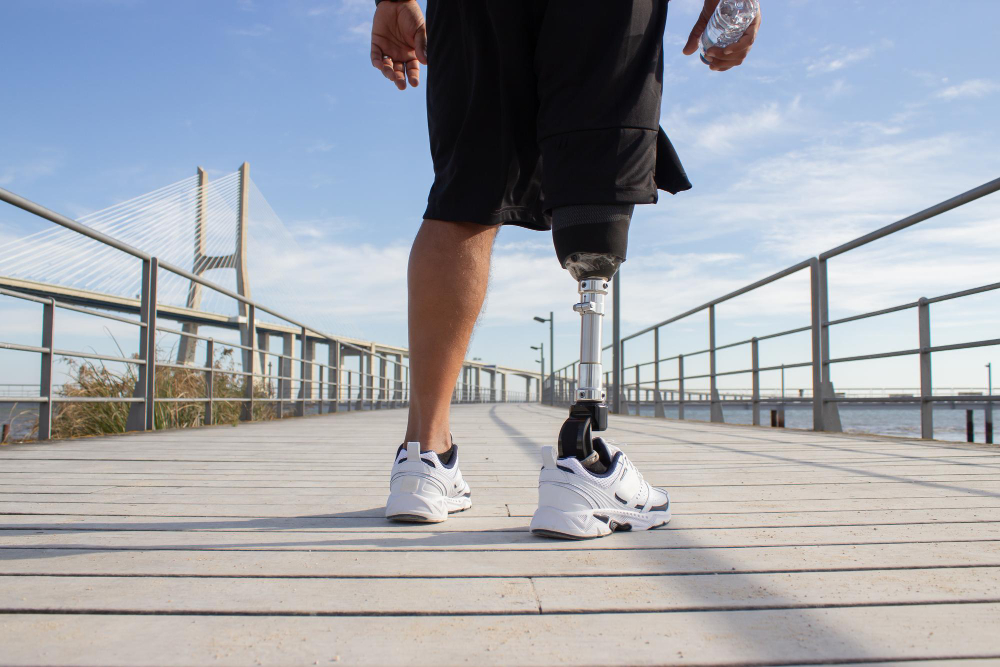
Advanced above-knee prosthetics have changed the lives of many people. These devices help restore natural walking ability after amputation. Today, modern prosthetic limb technology offers hope for those seeking to regain mobility with prosthetics. With new designs and smart features, users can walk more comfortably and confidently. For many, these prosthetics mean a return to daily activities and independence.
Common Causes Leading to Above-Knee Amputation
Above-knee amputation may happen for several reasons. Often, doctors recommend it when saving the leg is not possible. Some common causes include:
Although amputation is a major step, advanced prosthetics can help people regain their freedom.
Latest Advancements in Above-Knee Prosthetic Technology
In recent years, above-knee prosthetics have seen major improvements. For example, microprocessor-controlled knees use sensors to adjust movement. These smart knees help users walk more naturally on different surfaces. Additionally, lightweight materials like carbon fiber make the prosthetic limb easier to wear. Some new designs even allow for better control and smoother steps. As a result, people can enjoy more activities and feel less tired.
How Modern Prosthetics Help Users Regain a Natural Gait
Modern prosthetic limb technology focuses on mimicking natural walking. Because of advanced joints and smart sensors, the prosthetic can respond to each step. This means users can walk with a smoother, more balanced gait. For instance, the knee may bend and straighten at the right time. Also, the foot can adjust to uneven ground. Over time, many people find they can walk, climb stairs, and even run with confidence.
The Fitting and Rehabilitation Process
Getting an advanced above-knee prosthetic involves several steps. First, a specialist measures the limb and fits a custom socket. Next, the prosthetic is adjusted for comfort and function. After fitting, rehabilitation begins. During rehab, physical therapists teach users how to walk and move safely. They also help build strength and balance. With regular practice, most people improve their skills and confidence.
Tips for Adapting to and Caring for Advanced Prosthetics
Adapting to a new prosthetic takes time and patience. However, some tips can make the process easier:
With good care, your prosthetic will last longer and work better.
Lifestyle Guidance and Prevention of Complications
Living with an above-knee prosthetic means making some changes. Still, many people return to work, sports, and hobbies. To prevent complications, always wear the prosthetic as instructed. For example, avoid walking barefoot to protect your other foot. Maintain a healthy weight to reduce stress on the limb. If you notice swelling, pain, or skin changes, contact your doctor right away. Early action can prevent bigger problems.
Realistic Expectations and Success Stories
While advanced above-knee prosthetics offer many benefits, results vary for each person. Some people walk almost as well as before amputation. Others may need more time to adjust. However, many users share inspiring stories of regaining mobility with prosthetics. For instance, some return to sports or travel. Others enjoy simple pleasures like walking with family. With support and determination, most people achieve their goals.
Conclusion: Take the Next Step
Advanced above-knee prosthetics have opened new doors for people after amputation. Because of modern technology, natural walking after amputation is now possible for many. If you or a loved one is considering a prosthetic, consult an orthopedic specialist at Inspire life Prosthetics & Orthotics llp to explore advanced prosthetic options tailored to your needs.