Introduction: Understanding Below-Knee Prosthetics
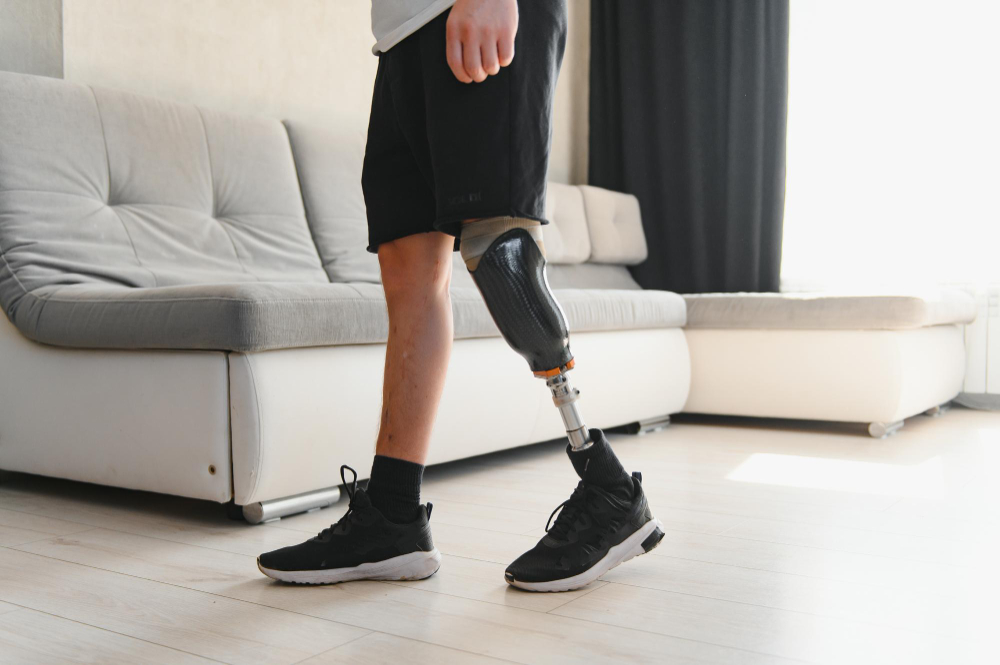
Modern below-knee prosthetic care helps many people walk naturally after amputation. A below-knee prosthesis is an artificial limb that replaces a leg lost below the knee. For many, this device brings back movement and independence. In fact, with the right care and support, most people can return to daily activities. According to the World Health Organization, prosthetic care improves quality of life and helps people stay active. Therefore, understanding how these devices work is important for anyone facing amputation.
Symptoms and Challenges After Below-Knee Amputation
After a below-knee amputation, people may face several challenges. For example, some common symptoms include:
However, with time and support, many of these symptoms improve. Still, learning to walk again can feel hard at first. But with modern below-knee prosthetic care, most people regain confidence and mobility.
Advances in Modern Below-Knee Prosthetic Technology
Today, prosthetic technology has improved greatly. Now, below-knee prostheses are lighter and more comfortable. For instance, new materials like carbon fiber make the artificial limb strong but easy to wear. In addition, advanced foot designs help mimic natural walking. Some devices even have shock-absorbing features for smoother steps. Because of these advances, walking naturally after amputation is more possible than ever before. Furthermore, many prostheses can be adjusted for different activities, such as running or hiking.
The Process of Prosthetic Fitting and Rehabilitation
Getting a below-knee prosthesis involves several steps. First, a prosthetic specialist measures your limb and creates a custom socket. Next, you try on the device and make adjustments for comfort. After that, rehabilitation begins. During rehab, you learn how to use your new limb safely. Physical therapists teach balance, walking, and care techniques. Over time, you build strength and confidence. Because each person is unique, the process may take weeks or months. However, regular follow-ups help ensure the best fit and function.
Tips for Walking Naturally with a Below-Knee Prosthesis
Walking naturally after amputation takes practice. Yet, with the right approach, most people succeed. Here are some helpful tips:
Moreover, working closely with your rehab team makes progress easier. They can offer advice and support at every step.
Lifestyle Guidance and Daily Care
Daily care is key for comfort and health. For example, always check your skin for redness or sores. Clean the limb and prosthesis every day. In addition, wear clean, dry socks with your prosthesis. If you notice pain or swelling, remove the device and rest. Also, keep your prosthesis dry and store it safely when not in use. Because good habits prevent problems, follow your specialist’s instructions closely.
Prevention of Complications
Although modern below-knee prosthetic care is safe, complications can occur. To prevent issues:
Furthermore, staying active and healthy supports healing. If you have diabetes or poor circulation, extra care is needed. Early action helps avoid serious problems.
Frequently Asked Questions
For more information, consult a prosthetic specialist at Inspire life Prosthetics & Orthotics llp for personalized guidance on walking naturally again.