
Introduction to Robotic Hands and Gripping Technology
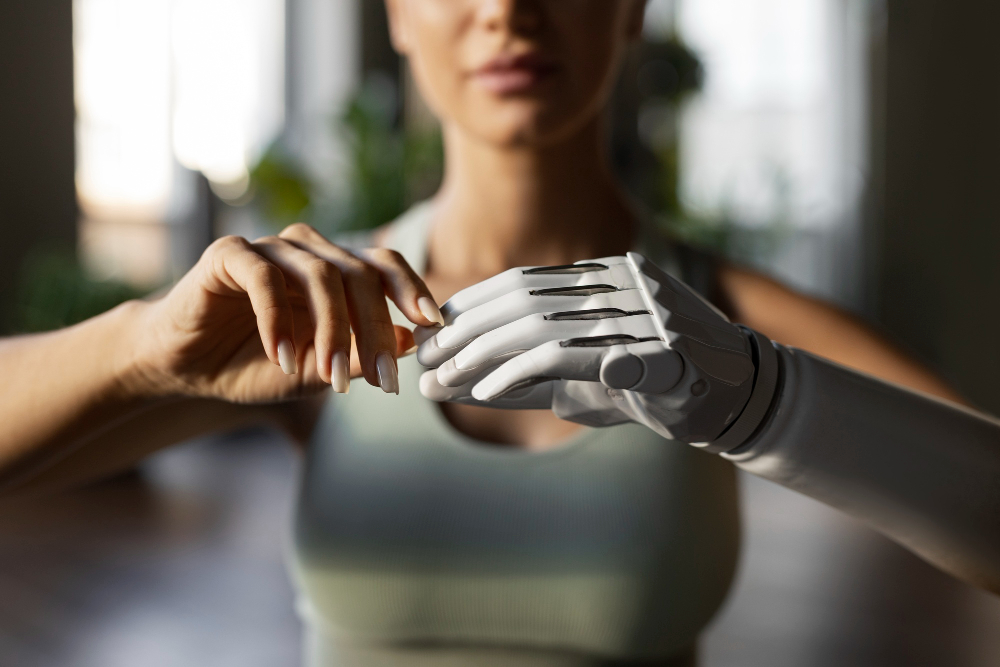
Robotic hands are changing the way people interact with technology. These hands can help people with limb loss or support tasks in factories. In fact, the different grips possible with robotic hands allow for many daily activities. Because of new technology, robotic hand grip types now come closer to what the human hand can do. For example, advanced prosthetic grips use sensors and smart materials to copy human movement. As a result, robotic hand technology for daily use is growing fast.
Types of Grips Achievable With Robotic Hands
Robotic hands can perform several types of grips. Each grip serves a unique purpose. For example, some grips help with holding small objects, while others are for lifting heavy items. Here are the most common grip types:
How Robotic Hands Mimic Human Grip Patterns
Robotic hands try to copy the way human hands move. For instance, they use motors and flexible joints to bend fingers. Because of this, they can perform many of the same grips as a real hand. In addition, sensors help robotic hands feel how hard they are holding something. This feedback lets the hand adjust its grip, just like a person would. As technology improves, robotic hands become even better at mimicking natural movements.
Factors Influencing Grip Functionality in Robotic Hands
Several factors affect how well a robotic hand can grip objects. These include:
Because of these factors, robotic hands can perform many daily tasks safely and effectively.
Advances in Robotic Hand Design for Improved Grip
New designs make robotic hands more useful every year. For example, some hands now have more joints and move in more ways. Others use smart sensors to sense even light touches. In addition, 3D printing allows for custom fits and lighter hands. These advances help create better robotic hand grip types. As a result, people can use robotic hand technology for daily use with more comfort and control.
Everyday Applications and Benefits of Robotic Hand Grips
Robotic hands help people in many ways. For instance, advanced prosthetic grips allow people with limb loss to eat, write, or dress themselves. In workplaces, robotic hands can handle small parts or lift heavy objects. Because they can perform different grips, they are useful in hospitals, homes, and factories. Some benefits include:
Challenges and Limitations in Current Robotic Grip Technology
Even with many advances, robotic hands still face some challenges. For example, some hands cannot feel soft touches as well as a real hand. Others may have trouble picking up very small or slippery objects. In addition, robotic hands can be expensive and need regular care. While research continues, these limits show there is still room for improvement in robotic hand grip types and technology.
Conclusion
If you want to learn more about robotic hand options or need support, Inspire life Prosthetics & Orthotics llp is here to help. Schedule a consultation to explore solutions that fit your needs.