
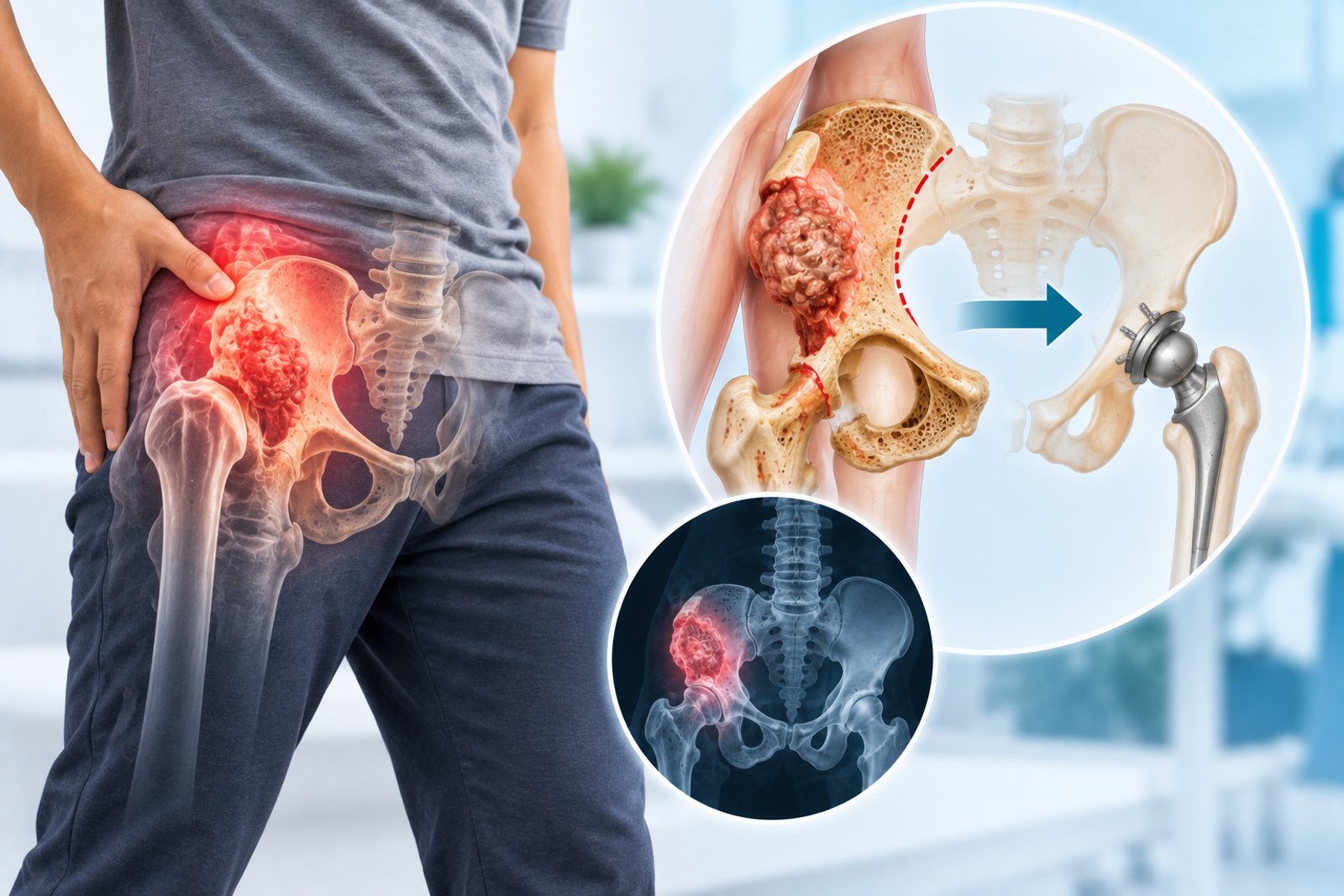
What is Hemipelvectomy Surgery?
Hemipelvectomy surgery is a major operation. It involves removing part or all of one side of the pelvis. Sometimes, doctors also remove the leg on that side. This surgery is rare. However, it can save lives when other treatments do not work. Many people have questions about hemipelvectomy surgery, including the types of hemipelvectomy and what the recovery process looks like.
Reasons for Hemipelvectomy Surgery
Doctors may suggest hemipelvectomy surgery for several reasons. Most often, it is used to treat cancer in the pelvic area. For example, bone cancers like osteosarcoma can spread quickly. In some cases, tumors do not respond to other treatments. Sometimes, severe injuries or infections also lead to this surgery. Although rare, some people need hemipelvectomy for birth defects or other bone diseases.
Symptoms and Conditions Leading to Hemipelvectomy
Usually, certain symptoms or conditions make doctors consider hemipelvectomy. For instance, people may notice pain in the hip or pelvis that does not go away. Sometimes, swelling or a lump appears. In addition, weakness or trouble moving the leg may occur. If cancer is present, weight loss or fever might also be signs. Early detection of these symptoms can help improve outcomes.
How Hemipelvectomy Surgery is Performed
Doctors perform hemipelvectomy surgery in a hospital. Before surgery, a team reviews your health and plans the steps. There are two main types of hemipelvectomy:
During the operation, surgeons remove the affected bone and tissue. They work carefully to protect nerves and blood vessels. Sometimes, they use special materials or bone grafts to rebuild the pelvis. After surgery, patients stay in the hospital for close monitoring.
Recovery and Rehabilitation After Hemipelvectomy
Recovery after hemipelvectomy surgery takes time. Right after surgery, you will stay in the hospital. Doctors and nurses watch for any problems. Physical therapy starts soon to help you move safely. The hemipelvectomy recovery process includes learning new ways to sit, stand, or walk. Many people use crutches, walkers, or wheelchairs at first. Over time, you may use a prosthetic limb if needed. Emotional support is also important during recovery. Family, friends, and support groups can help you adjust.
Risks and Potential Complications
Like all major surgeries, hemipelvectomy has risks. However, doctors take steps to lower these risks. Some possible complications include:
Because hemipelvectomy is complex, it is important to choose a hospital with experience. In some cities, specialized centers offer better care and recovery support. Always talk with your doctor about hemipelvectomy risks before surgery.
Living After Hemipelvectomy: Lifestyle Guidance
Life after hemipelvectomy can be different, but many people adjust well. With time, most people learn new ways to do daily tasks. For example, you may need to change how you move or dress. Occupational therapists can teach helpful skills. In addition, regular check-ups help track your health. Staying active, eating well, and joining support groups can improve your quality of life. Some people use a prosthetic limb or mobility aids to stay independent.
Prevention and Early Detection of Related Conditions
Although not all cases can be prevented, early detection helps. For example, regular check-ups can find bone tumors or infections early. If you notice pain, swelling, or changes in your hip or pelvis, see a doctor soon. In some cases, genetic testing may help if bone cancer runs in your family. Healthy habits, such as not smoking and staying active, also support bone health. Early treatment can lower the need for major surgery like hemipelvectomy.
Discover advanced care supported by modern technology at Inspire Life Prosthetics & Orthotics LLP. Schedule your appointment today.