
Introduction
Knee pain can make daily life hard. Many people wonder how knee braces help improve stability and reduce pain. In fact, knee braces are popular for joint support and pain relief. Whether you have an injury or arthritis, a knee brace may help. Because knee braces are easy to use, they are a common choice for many. In this blog, you will learn how knee braces work, their benefits, and tips for safe use. Let’s explore how these simple devices can make a big difference in your comfort and movement.
What Are Knee Braces?
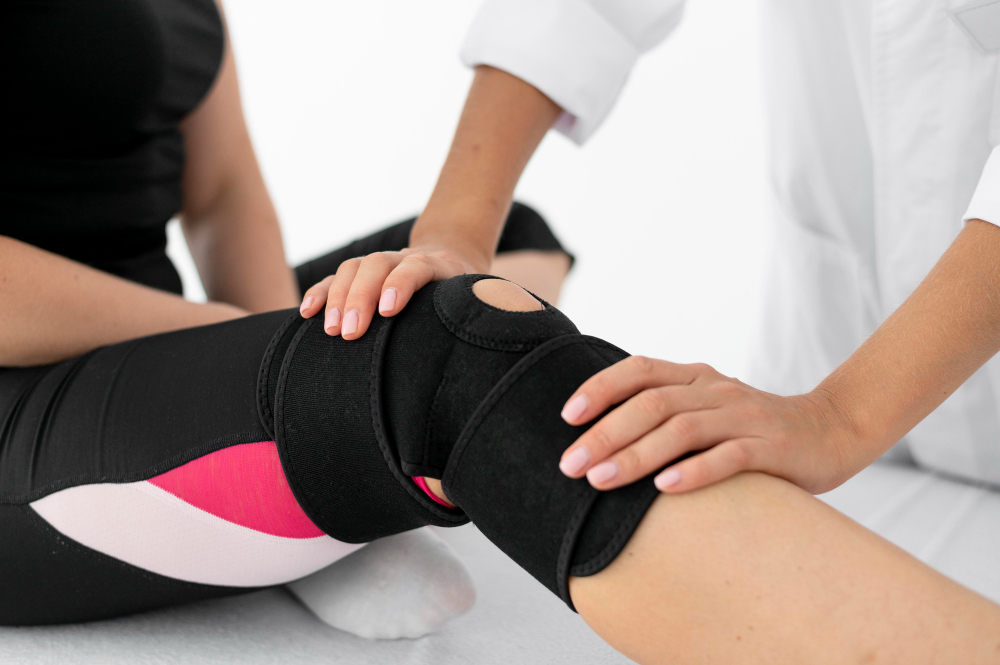
Knee braces are supports worn around the knee. They help protect the joint and keep it steady. Usually, people use them after an injury or surgery. However, some use them to prevent injuries during sports. Knee braces come in many shapes and sizes. Some are soft and flexible, while others are firm and strong. Because they are easy to wear, many people find them helpful for knee pain relief and joint stability.
How Knee Braces Improve Knee Stability
Stability means your knee stays steady when you move. Often, weak muscles or injuries make the knee unstable. Knee braces help by holding the joint in place. For example, they limit side-to-side movement. This support helps prevent the knee from twisting or bending the wrong way. As a result, you feel more secure when walking or running. Many athletes use knee braces for extra stability during sports. Even after surgery, doctors may suggest a brace to protect healing tissues. According to the CDC, using a knee brace can lower the risk of further injury.
How Knee Braces Reduce Knee Pain
Knee pain can come from injuries, arthritis, or overuse. Knee braces help reduce pain in several ways. First, they take pressure off sore areas. This can make walking or standing less painful. Second, braces keep the knee in the right position. Because of this, the joint moves smoothly and safely. Some braces also provide warmth, which can relax muscles and ease pain. For many people, wearing a knee brace means they can stay active with less discomfort. Studies in medical journals show that knee braces can help manage pain from osteoarthritis and sports injuries.
Types of Knee Braces and Their Uses
There are different types of knee braces for different needs. Here are the main types:
Each type has a special purpose. For example, athletes may use prophylactic braces to prevent injuries. People with arthritis may choose unloader braces for pain relief. Because there are many options, it is important to pick the right one for your needs.
When to Consider Using a Knee Brace
Sometimes, a knee brace is the right choice. You might consider one if you:
However, not everyone needs a knee brace. Always talk to a healthcare professional before starting to use one. They can help you choose the best type for your condition. In some cases, other treatments may work better.
Tips for Safe and Effective Knee Brace Use
To get the most benefit from your knee brace, follow these tips:
Because proper use is important, always follow your doctor’s advice. If you have questions, ask your healthcare provider for help.
Prevention and Lifestyle Guidance
While knee braces can help, healthy habits are also key. For example, regular exercise can make your muscles stronger. Strong muscles support your knees and lower injury risk. In addition, keeping a healthy weight puts less stress on your joints. Stretching before activity can also help prevent injuries. If you play sports, use the right gear and follow safety rules. By making these changes, you can protect your knees and enjoy better movement every day.
Conclusion
Knee braces can improve stability and reduce pain for many people. They support weak joints, ease discomfort, and help you stay active. However, it is important to choose the right brace and use it safely. Always consult Inspire Life Prosthetics & Orthotics LLP to find the right knee brace for your needs.