
Introduction
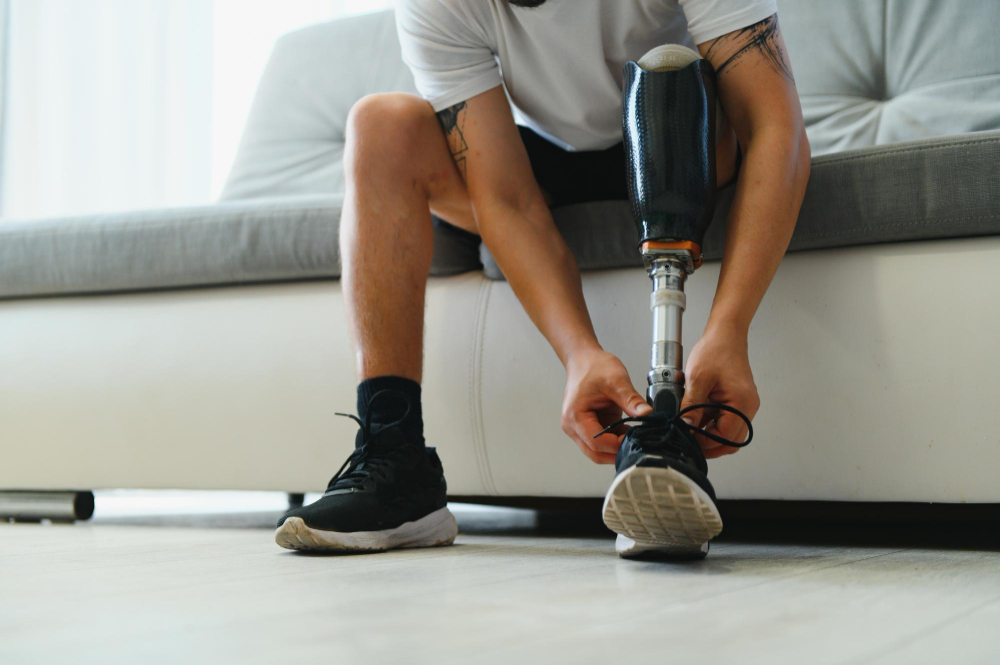
Prosthetic socket fit is the way a prosthetic limb connects to your body. A good fit means the socket feels secure and comfortable. For many people, comfortable prosthetic sockets are key to daily life. In fact, prosthetic limb comfort can affect how well you move and feel. When improving prosthetic fit, you may notice less pain and more confidence. Because of this, understanding socket fit is important for anyone using a prosthetic limb.
What is Prosthetic Socket Fit?
The prosthetic socket is the part of an artificial limb that touches your skin. It holds the limb in place. A proper socket fit means the socket matches your body shape closely. This helps spread pressure evenly. As a result, you can walk or move with less pain. According to the World Health Organization (WHO), a well-fitted socket is vital for safe and comfortable use of a prosthesis.
Why Comfort Matters in Prosthetic Sockets
Comfort is not just about feeling good. It also affects your health and how active you can be. For example, a comfortable socket lets you walk longer and do more activities. On the other hand, a poor fit can cause pain or skin problems. Because of this, comfort should always be a top goal. Studies in medical journals show that people with better socket comfort have higher quality of life.
Common Problems with Poor Socket Fit
Sometimes, a socket does not fit well. This can lead to several issues, such as:
In many cases, these problems can get worse if not fixed. Therefore, it is important to notice any changes early.
How to Identify a Good Socket Fit
Knowing what a good fit feels like can help you stay comfortable. Here are some signs of a well-fitted socket:
However, if you notice any discomfort, you should talk to your prosthetist.
Tips for Improving Prosthetic Socket Comfort
There are several ways to make your socket more comfortable. For instance, you can:
Additionally, regular check-ups help catch problems early.
When to Consult a Prosthetist
Sometimes, small changes can make a big difference. But if you have ongoing pain, swelling, or skin issues, you should see a prosthetist. Also, if your limb shape changes or the socket feels loose, get help. Early action can prevent bigger problems later.
Prevention and Maintenance for Long-Term Comfort
Long-term comfort depends on good habits. For best results, you should:
With these steps, you can enjoy better comfort and mobility for years.
Conclusion
A well-fitted prosthetic socket can make everyday movement more comfortable, stable, and confident. Poor fit may lead to pain, pressure, skin irritation, or difficulty using the prosthetic limb. Regular skin checks, proper socket care, and timely adjustments can help maintain long-term comfort. If your socket no longer feels right, getting it assessed early can help you move better and prevent complications.
Experiencing discomfort or an unstable prosthetic fit?
Consult Inspire Life Prosthetics & Orthotics LLP for personalized fitting, adjustment, and mobility support.