What Are Below-Knee Prosthetics?
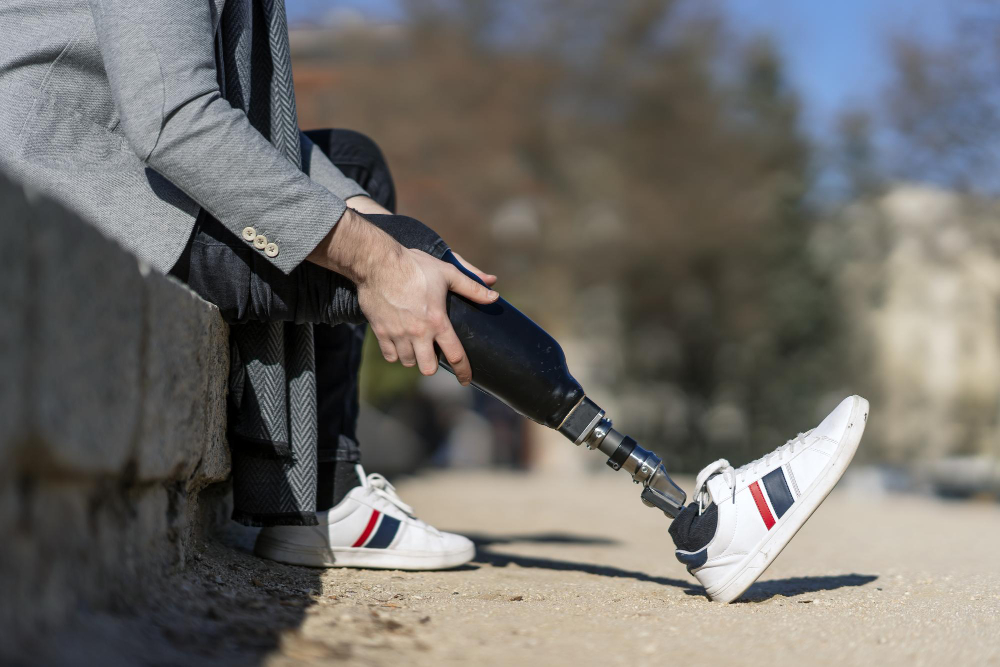
Below-knee prosthetics are artificial limbs made for people who have lost a leg below the knee. These devices help people walk, stand, and move more easily. In fact, below-knee prosthetics are one of the most common types of artificial legs. They are designed to fit the lower part of the leg, ending just below the knee joint. Because of their design, they allow for better movement and comfort. Many people use them after an injury, illness, or surgery. According to the World Health Organization, prosthetics can greatly improve quality of life.
Common Types of Below-Knee Prosthetics
There are several types of below-knee prosthetics. Each type has its own features and benefits. Here are the most common options:
Exoskeletal Prosthetics: These have a hard outer shell. They are strong and durable. However, they may be heavier than other types.
Endoskeletal Prosthetics: These have a soft outer cover and a metal inner frame. They are lighter and look more natural.
Dynamic Response Feet: These feet store and release energy with each step. As a result, they help with walking and running.
Adjustable Prosthetics: These can be changed as the limb shape changes. They are useful for children or people with changing limb sizes.
Waterproof Prosthetics: These are made for swimming or showering. They resist water and are easy to clean.
How to Choose the Right Type
Choosing a below-knee prosthesis depends on your needs and lifestyle. First, think about your daily activities. For example, if you walk a lot, a dynamic response foot may help. Next, consider your comfort and fit. A prosthetics specialist can measure your limb and suggest the best type. Also, your budget and insurance may affect your choice. It is important to try different types before deciding. According to the CDC, working with a trained professional leads to better results.
Benefits and Limitations of Each Type
Each type of below-knee prosthetic has its own pros and cons. Here is a quick overview:
Exoskeletal Prosthetics: Very strong and last long. However, they can feel heavy and less natural.
Endoskeletal Prosthetics: Lightweight and look real. But, they may need more repairs over time.
Dynamic Response Feet: Help with active movement. Yet, they may cost more than basic types.
Adjustable Prosthetics: Good for growing children or changing limbs. Still, they may not be as strong as fixed types.
Waterproof Prosthetics: Great for water use. However, they may not be as comfortable for daily wear.
Care and Maintenance Tips
Proper care helps your prosthetic last longer. Here are some simple tips:
Clean the prosthetic daily with mild soap and water.
Check for cracks or loose parts often.
Keep the socket dry to avoid skin problems.
Wear clean socks or liners every day.
Visit your prosthetics specialist for regular check-ups.
With good care, your below-knee prosthesis can stay comfortable and safe.
Frequently Asked Questions
How long does a below-knee prosthetic last?
Most last 3 to 5 years, but it depends on use and care.
Can I run or play sports with a prosthetic leg?
Yes, some types are made for sports. Ask your specialist for options.
Is it painful to wear a prosthesis?
At first, it may feel strange. However, with time and a good fit, most people feel comfortable.
How do I know which type is best for me?
Talk to a prosthetics specialist. They will help you choose based on your needs.
Can children use below-knee prosthetics?
Yes, adjustable types are often used for children as they grow.
In summary, below-knee prosthetics offer many options for people who need them. Each type has unique benefits. For the best results, consult Inspire Life Prosthetics & Orthotics LLP for personalized advice.