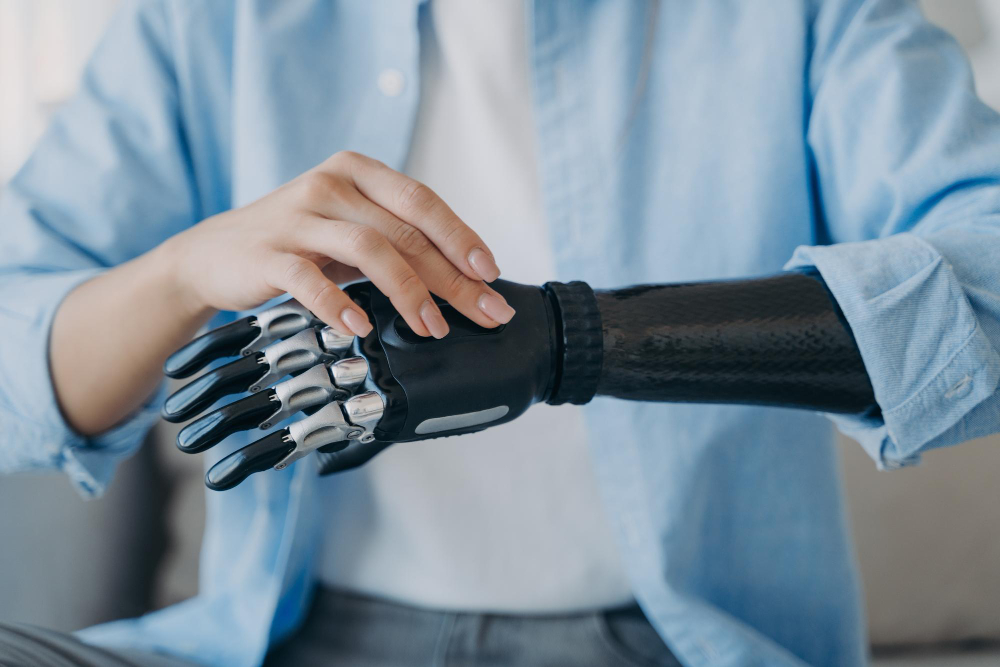
Prosthetic hands are artificial devices that replace a missing hand. They help people do daily tasks and improve their quality of life. Enhancing daily life with prosthetic hands is now easier, thanks to new technology. This blog explains how prosthetic hands work, their features, and how you can adapt to using one. You will also find tips for care and answers to common questions.
How Prosthetic Hands Improve Daily Living
Prosthetic hands help people regain independence. For example, they allow users to eat, write, and dress themselves. With a prosthetic hand, many daily activities become possible again. In fact, studies show that people with prosthetic hands often feel more confident and active. Because of this, they can join in family, work, and social events more easily.
As you can see, prosthetic hands support many daily activities and help users feel more independent.
Common Features and Types of Prosthetic Hands
Modern prosthetic hand features have improved a lot. Now, there are different types to fit each person’s needs. Some hands are simple and use body power. Others use batteries and sensors for more movement. Because of these options, users can choose what works best for them.
Many prosthetic hands now have soft grips, adjustable fingers, and even touch sensors. These features make daily activities with prosthetic hands much easier.
Adapting to Life with a Prosthetic Hand: Tips and Strategies
Getting used to a prosthetic hand takes time. However, with practice and support, most people adjust well. Here are some prosthetic hand user tips to help you adapt:
Remember, everyone learns at their own pace. With patience, you will find daily activities become easier.
Maintenance and Care for Prosthetic Hands
Proper care keeps your prosthetic hand working well. Because of this, you should follow these simple steps:
Good maintenance helps prevent problems and extends the life of your device.
Overcoming Challenges and Building Confidence
Living with a prosthetic hand can feel challenging at first. But, many people overcome these feelings with time and support. For instance, talking to others who use prosthetic hands can help. Also, learning new skills step by step builds confidence. If you feel frustrated, remember that progress takes time. With each small success, you will feel more comfortable and independent.
Frequently Asked Questions
For more information, consult Inspire Life Prosthetics & Orthotics LLP for personalized guidance on choosing and using a prosthetic hand.