Introduction
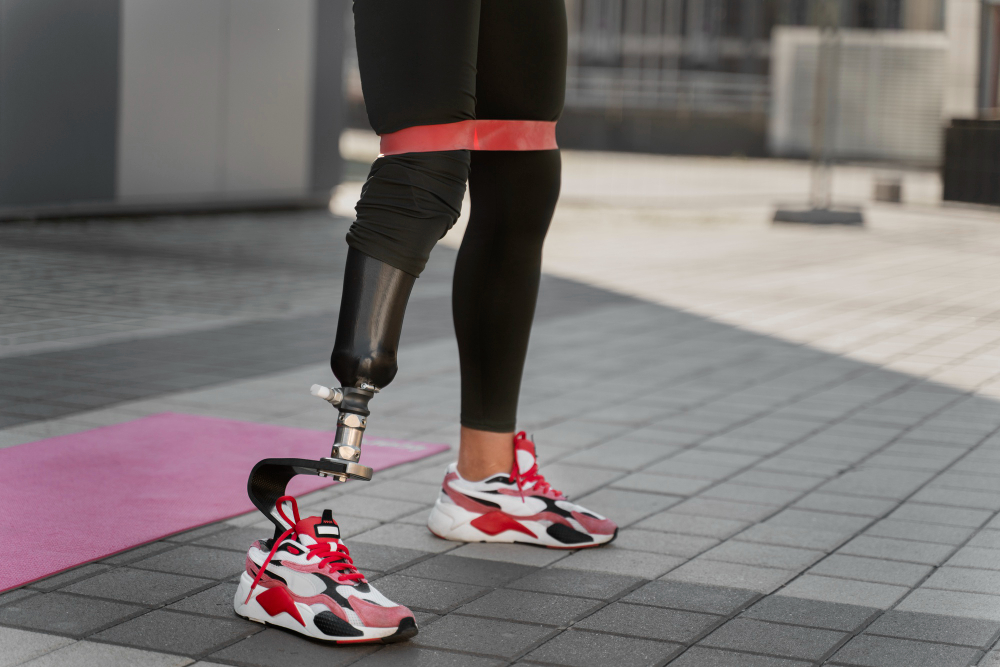
Artificial limbs, also called prosthetic limbs, help people who have lost a leg or arm. For many amputees, these devices offer hope and a fresh start. In fact, artificial limbs can improve quality of life for amputees by restoring movement and independence. With advances in technology, prosthetic limbs benefits now include better comfort, improved mobility for amputees, and easier amputee rehabilitation. This blog explains how artificial limbs make a difference and what to expect on the journey.
Understanding Artificial Limbs
Artificial limbs are devices that replace a missing arm or leg. They help people move, do daily tasks, and feel more confident. There are several main types of artificial limbs:
Each type is designed to fit the person’s needs and lifestyle. Some are simple, while others use advanced technology for better movement.
Common Reasons for Amputation
Many people lose a limb due to different reasons. Some of the most common causes include:
Because these causes can affect anyone, it is important to know how artificial limbs can help.
How Artificial Limbs Improve Quality of Life
Artificial limbs can change lives in many ways. Not only do they help with movement, but they also support emotional and social well-being. Here are some key improvements:
As a result, many amputees find new joy and purpose in life.
Advances in Prosthetic Technology
Today, prosthetic limbs are more advanced than ever. For example, some use lightweight materials for comfort. Others have sensors that help the limb move like a real arm or leg. In addition, new designs allow for better grip and balance. Some even connect to the nervous system, letting users control the limb with their thoughts. Because of these advances, more amputees can enjoy sports, work, and daily life with ease. According to the World Health Organization, ongoing research continues to improve these devices every year.
Challenges and Considerations
Even with the best technology, using an artificial limb can be challenging. Some common issues include:
However, with support from doctors, therapists, and family, most challenges can be managed. Regular check-ups and proper care also help prevent problems.
Tips for Amputees Adapting to Artificial Limbs
Adjusting to a new limb takes time and patience. Here are some helpful tips:
With these steps, adapting becomes easier and more successful.
Prevention and Rehabilitation
Rehabilitation is a key part of recovery for amputees. It helps build strength, learn new skills, and adjust to life with an artificial limb. In addition, regular exercise and therapy can prevent further health problems. The Centers for Disease Control and Prevention (CDC) recommends ongoing care and support for the best results.
Conclusion
Artificial limbs can improve quality of life for amputees in many ways. They offer better movement, more independence, and a chance to enjoy life again. If you or a loved one is facing amputation, consult Inspire life Prosthetics & Orthotics llp to explore the best artificial limb options for your needs.