Introduction to Life After Amputation
Life after amputation brings many changes. For many people, adapting with prosthetic support is a key part of recovery. Although the journey may seem hard at first, many people find new ways to live, work, and enjoy life. With the right help, you can regain independence and confidence. According to the World Health Organization (WHO), early support and care make a big difference in recovery.
Common Physical and Emotional Challenges
After an amputation, you may face both physical and emotional challenges. For example, you might feel pain, swelling, or changes in balance. Sometimes, people experience “phantom limb” sensations, where it feels like the missing limb is still there. Emotionally, it is normal to feel sad, angry, or worried. However, support from family, friends, and professionals can help you cope. Over time, many people adjust and find new strengths.
Overview of Prosthetic Support: Types and Benefits
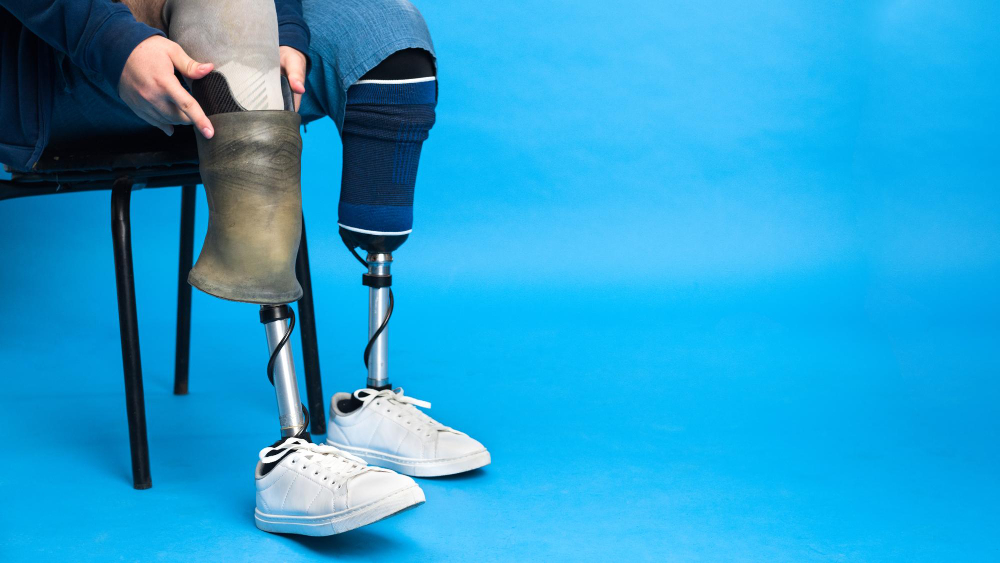
Prosthetic support means using an artificial limb to replace the missing part. There are many types of prostheses, each designed for different needs. For instance, some are made for walking, while others help with daily tasks or sports. The main benefits of prosthetic support include:
With the right prosthesis, you can enjoy a more active and fulfilling life.
The Process of Adapting to a Prosthesis
Adapting to a prosthesis takes time and patience. First, your doctor or prosthetist will help you choose the best type for your needs. Next, you will learn how to put it on, take it off, and care for it. At first, walking or moving with a prosthesis may feel strange. However, regular practice helps you gain strength and skill. Over time, most people find it becomes part of their daily routine.
Rehabilitation and Physical Therapy
Rehabilitation is a key step in life after amputation. Physical therapy helps you build strength, balance, and flexibility. In addition, therapists teach you how to use your prosthesis safely. They may also show you exercises to prevent stiffness and pain. According to the Centers for Disease Control and Prevention (CDC), regular therapy improves long-term outcomes. For best results, follow your therapist’s advice and practice exercises at home.
Daily Living Tips and Lifestyle Guidance
Living with a prosthesis means making some changes to your daily routine. Yet, many people find simple tips can make life easier:
With time, you will learn what works best for you. Remember, asking for help is okay.
Prevention of Complications and Self-Care
Taking care of your body and prosthesis helps prevent problems. For example, always inspect your skin for blisters or cuts. If you notice pain or swelling, contact your healthcare provider. In addition, keep your prosthesis in good condition by following care instructions. Eating a healthy diet and staying active also support healing. By practicing good self-care, you lower the risk of complications and enjoy better health.
Resources and Support Networks
Many people find comfort in connecting with others who have similar experiences. There are support groups, online forums, and community programs for people living with a prosthesis. These resources offer advice, friendship, and encouragement. Furthermore, your healthcare team can guide you to local services and rehabilitation programs. For more information, visit trusted sites like the Amputee Coalition or the WHO website.
In summary, life after amputation can be full and rewarding with the right support. Consult at Inspire life Prosthetics & Orthotics llp for personalized support and guidance.