
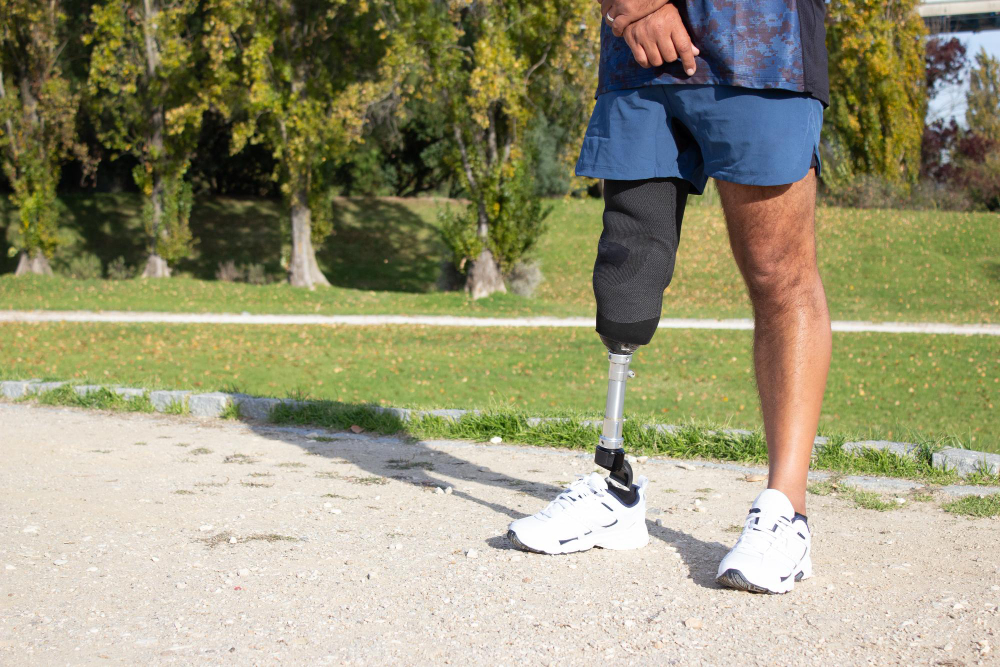
Learning to walk with a prosthesis is a big step for many people. However, common walking mistakes new prosthetic users make can slow progress and cause discomfort. Knowing what to expect helps you avoid problems and walk more confidently. This guide explains frequent errors, why they happen, and how you can walk better with your new prosthetic leg.
Understanding Prosthetic Walking
Walking with a prosthetic leg feels different at first. Your body must adjust to new movements and balance. For example, you may notice your steps feel uneven or your muscles tire quickly. With time and practice, most people improve their gait, or walking style. Yet, it is normal to face challenges early on. Many new amputees benefit from prosthesis gait training and support from physical therapists. These experts teach safe walking habits and help you build strength.
Most Frequent Walking Mistakes
Poor Posture
First, many new prosthetic users tend to slouch or lean to one side. This poor posture can lead to back pain or muscle strain. Standing tall with your shoulders back helps you balance better. Good posture also makes walking feel smoother.
Uneven Weight Distribution
Often, people put more weight on their natural leg. As a result, the prosthetic side may feel weak or unstable. Even weight on both legs is important for safe walking. Over time, this balance helps prevent falls and joint pain.
Overstriding or Short Steps
Some users take steps that are too long or too short. Overstriding can make you lose balance, while short steps may cause you to shuffle. Instead, try to take even, natural steps. Practicing with a mirror or under guidance can help you find the right stride.
Inadequate Use of Assistive Devices
At first, you may need a cane or walker. However, some people stop using these devices too soon, while others rely on them for too long. Using assistive devices as recommended helps you gain confidence and avoid injury. Your therapist will let you know when it is safe to walk without help.
Ignoring Socket Fit Issues
Sometimes, the socket—the part of the prosthesis that fits around your limb—may feel loose or tight. Ignoring these issues can cause skin problems or pain. Always tell your care team if the socket does not feel right. A good fit is key for comfort and safety.
Not Following Physical Therapy Guidance
Physical therapy is vital for learning to walk well with a prosthesis. Yet, some people skip exercises or miss appointments. Following your therapist’s advice helps you build strength and avoid common walking mistakes.
Causes of Walking Mistakes
Several factors can lead to mistakes when walking with a prosthetic leg. For instance, physical changes like muscle weakness or joint stiffness may affect your gait. Psychological factors, such as fear of falling or low confidence, can also play a role. In addition, environmental factors like uneven ground or poor lighting make walking harder. Understanding these causes helps you prepare for challenges and seek the right support.
How to Identify Walking Mistakes
It is important to spot walking mistakes early. Here are some signs to watch for:
For self-checks, try walking in front of a mirror. You can also ask a friend or family member to watch your steps. If you notice any problems, talk to your care team for advice.
Tips for Correcting Walking Mistakes
Making small changes each day can improve your walking. Here are some prosthetic walking tips:
Remember, progress may be slow at first. However, regular practice and patience help you improve over time.
Prevention and Long-Term Success
Staying mindful of your walking habits can prevent mistakes. For long-term success, try these steps:
With the right support and knowledge, you can enjoy safe and confident walking with your prosthesis.
Conclusion
If you have questions about walking with your prosthesis or need extra support, Inspire life Prosthetics & Orthotics llp is here to help. Book a consultation today to get personalized guidance for your journey.