Robotic hands restore natural movement for many people who have lost a hand or fingers. These advanced prosthetic hands use modern technology to help users move, grip, and feel more like they did before. In the United States and around the world, more patients are choosing robotic prosthesis rehabilitation for a better quality of life. In this guide, you will learn how robotic hands work, who can benefit, and what to expect during treatment.
What Are Robotic Hands?
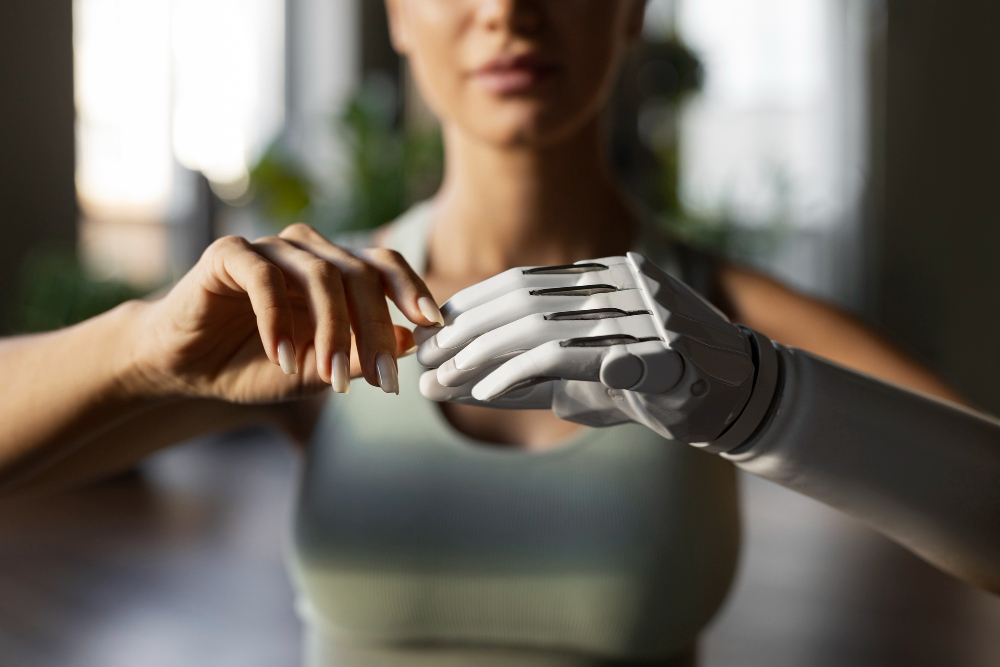
Robotic hands, also called advanced prosthetic hands or bionic hands, are artificial devices that replace a missing hand. Unlike simple prosthetics, these hands use sensors and motors to move fingers and grip objects. As a result, users can perform daily tasks with greater ease. Many robotic hands are custom-made to fit each person’s needs.
How Robotic Hands Work to Restore Natural Movement
Robotic hands use smart technology to copy the way a real hand moves. First, sensors pick up signals from the muscles in the arm. Then, these signals tell the robotic hand how to move. Because of this, users can open and close their hand, pick up small items, or even type on a keyboard. Some advanced prosthetic hands also give feedback, so users can feel pressure or texture. This helps make movements feel more natural.
Key Benefits for Patients
Robotic hands offer many benefits for patients. For example, they can:
Additionally, robotic prosthesis rehabilitation can speed up recovery and help patients return to work or hobbies sooner.
Common Causes for Needing Robotic Hands
Many people need robotic hands after losing a hand or fingers. Some common causes include:
Because each person’s needs are different, doctors carefully assess who may benefit most from advanced prosthetic hands.
Diagnosis and Assessment Before Fitting
Before fitting a robotic hand, doctors perform a full assessment. First, they review your medical history and the cause of hand loss. Next, they check the strength and health of your remaining arm. Sometimes, they use imaging tests to look at muscles and nerves. After that, they discuss your goals and daily needs. This careful process helps choose the best robotic hand for you. According to the World Health Organization (WHO), a proper assessment is key for a good outcome.
Treatment Process: From Fitting to Rehabilitation
The treatment process for robotic hands involves several steps:
During rehabilitation, therapists teach you how to move and care for your new hand. Over time, you will learn to perform more tasks with ease. Because practice is important, daily use helps improve skill and comfort.
Daily Life and Lifestyle Guidance
Living with a robotic hand can take some adjustment. However, most people find that daily life improves over time. For example, you may need to:
With support from your care team, you can enjoy more independence and confidence. In addition, many support groups offer advice and encouragement.
Prevention and Future Innovations
While not all hand loss can be prevented, safety at work and home can lower the risk of injury. For those who need help, robotic hands are becoming more advanced each year. For instance, new models offer better touch feedback and lighter materials. Researchers are also working on ways to connect robotic hands directly to nerves for even more natural movement. As technology grows, more people will benefit from these life-changing devices.
In summary, robotic hands restore natural movement and help people live fuller lives. If you or a loved one is considering advanced prosthetic hands, consult at Inspire life Prosthetics & Orthotics llp to learn if robotic hands are right for you.