
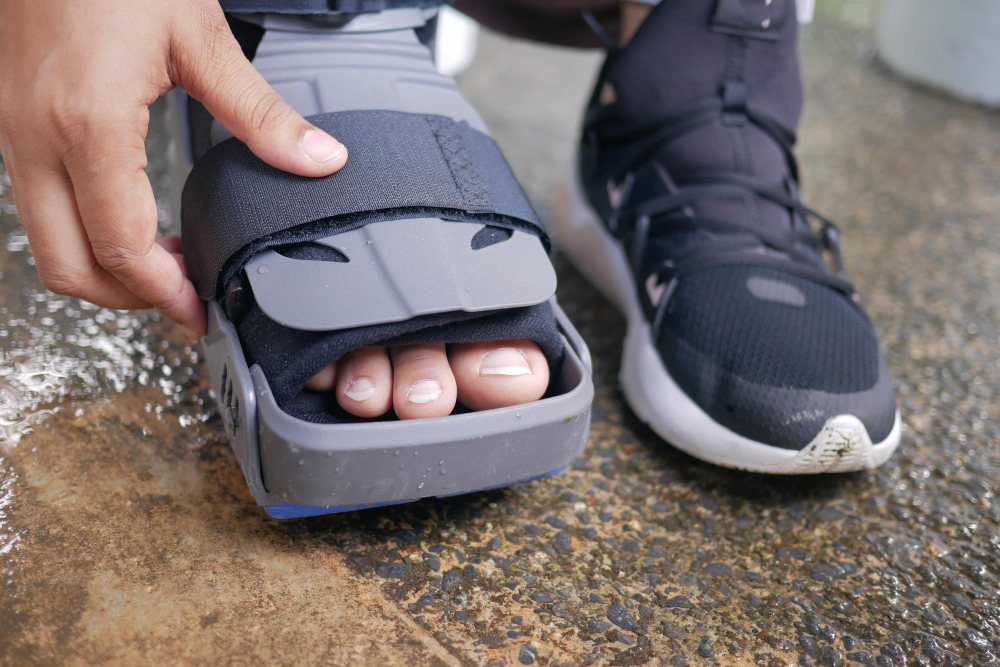
What Are Off-Loading Devices?
Off-loading devices for foot protection are special tools or shoes. They help take pressure off certain parts of your feet. For example, you might see boots, casts, or cushioned shoes used for this purpose. These devices are often called foot ulcer prevention devices or protective footwear for foot health. Many people use them when they have foot wounds or are at risk for foot injuries. Doctors and nurses often recommend them to help keep feet safe and healthy.
How Off-Loading Devices Protect the Feet
Off-loading devices work by spreading your body weight more evenly across your foot. As a result, they reduce foot pressure on sore or weak spots. For instance, if you have a wound or ulcer, these devices keep pressure away from that area. This helps your skin heal faster. In addition, they lower the chance of new wounds forming. According to the CDC, reducing pressure is key to preventing foot ulcers, especially in people with diabetes.
Key Benefits of Off-Loading Devices
There are many benefits to using off-loading devices for foot protection. First, they help reduce foot pressure, which can stop ulcers from forming. Second, they support healing if you already have a wound. Third, they protect your feet from further injury. For many people, these devices make walking safer and less painful. The World Health Organization notes that proper foot care lowers the risk of serious infections.
Who Can Benefit from Off-Loading Devices?
Many people can benefit from off-loading devices. For example, those with diabetes often have nerve damage in their feet. This makes them more likely to get foot ulcers. People with poor blood flow or past foot injuries may also need extra protection. Even if you do not have a medical condition, you may need these devices after surgery or an accident. In short, anyone at risk for foot wounds can benefit.
How to Use Off-Loading Devices Safely
Using off-loading devices safely is very important. First, always follow your doctor’s instructions. Next, check your feet every day for redness, swelling, or sores. If you notice any problems, contact your healthcare provider right away. In addition, keep your device clean and dry. Sometimes, you may need to adjust the fit to avoid rubbing or slipping. For best results, wear socks with your device unless your doctor says otherwise.
Tips for Choosing the Right Off-Loading Device
Choosing the right device can make a big difference. First, talk to your doctor or foot care specialist. They can help you find the best type for your needs. For example, some people need a full boot, while others may only need a cushioned shoe. Next, make sure the device fits well and feels comfortable. Try walking in it before you leave the clinic. If you have trouble putting it on, ask for help or training.
Preventing Foot Injuries with Off-Loading Devices
Off-loading devices play a big role in preventing foot injuries. For instance, they help stop blisters and sores before they start. They also lower the risk of serious wounds, which can lead to infections. According to medical studies, people who use these devices as directed have fewer foot problems. In addition, using protective footwear for foot health can help you stay active and independent. Remember, regular foot checks and good hygiene are also important for keeping your feet safe.
Protect your feet with the right support and care. Consult Inspire Life Prosthetics & Orthotics LLP today.